Loaf Pan Basque Cheesecake
Meta Description
Cream cheese, sugar, eggs, heavy cream, vanilla, and flour come together in this rich, deeply caramelized loaf pan Basque cheesecake.
If you’ve ever wanted to make a dessert that looks dramatic, tastes outrageously indulgent, and yet doesn’t require a water bath, springform pan gymnastics, or whispering sweet nothings to your oven… let me introduce you to this Loaf Pan Basque Cheesecake.
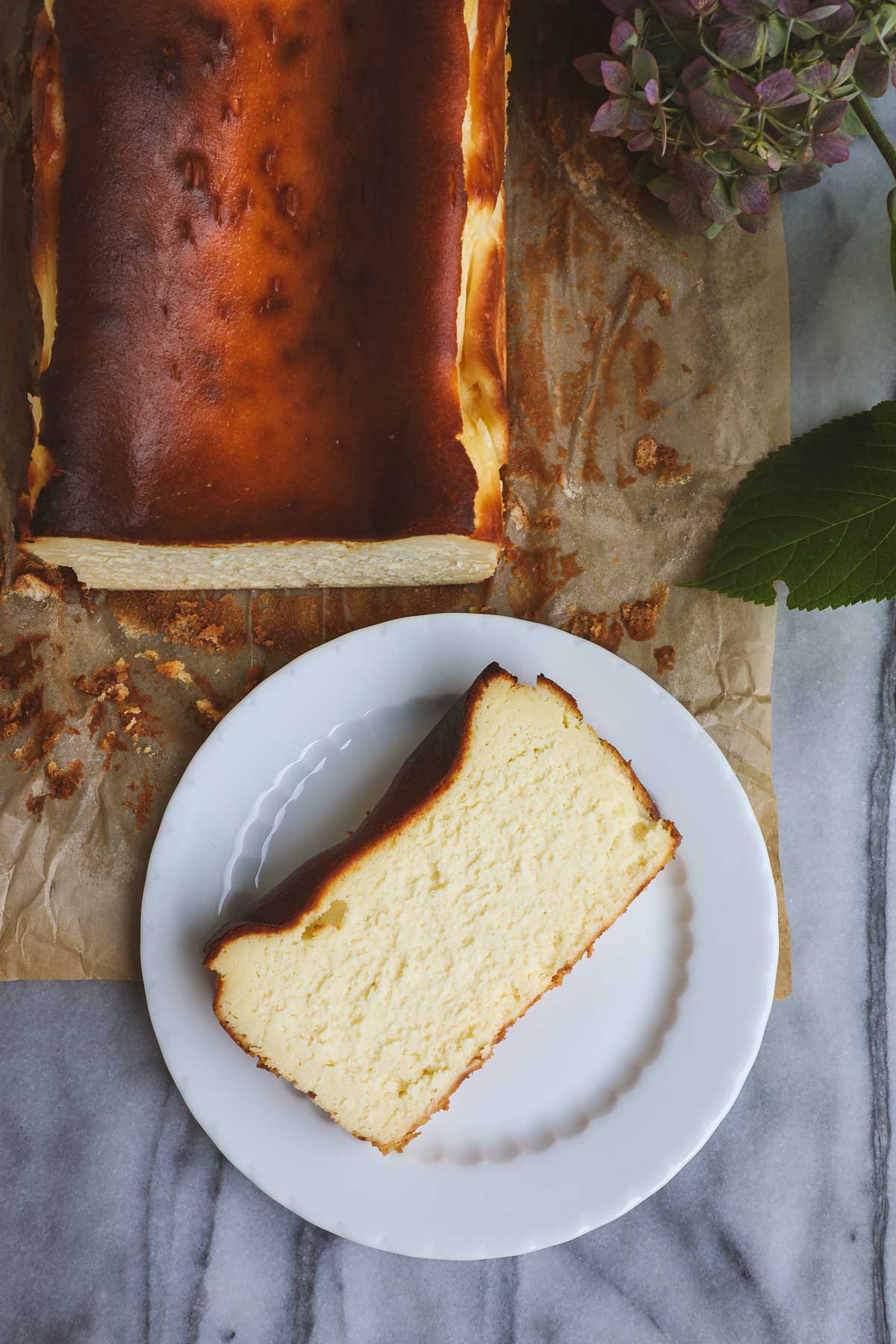
I stumbled into this recipe on one of those days when I wanted cheesecake urgently but did not want commitment. No crust to press, no worrying about cracks, no “did I overbake this?” spiral. Basque cheesecake has that beautifully rebellious personality—it’s supposed to look rustic, deeply bronzed on top, and slightly jiggly in the center. Making it in a loaf pan felt like a quiet kitchen rebellion, and honestly? It might be my favorite version yet.
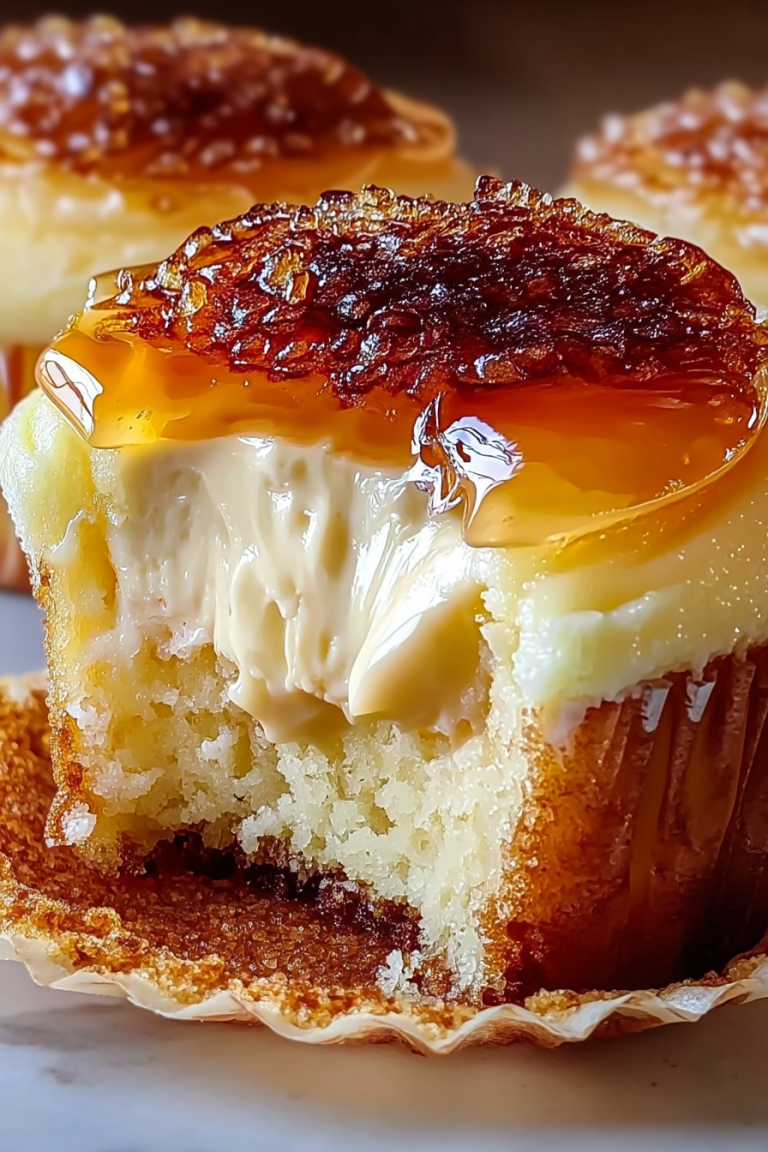
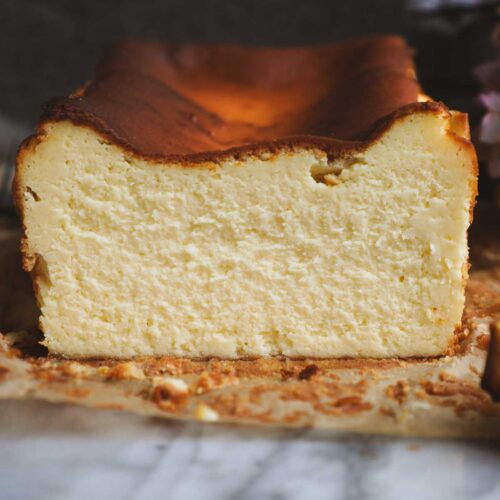
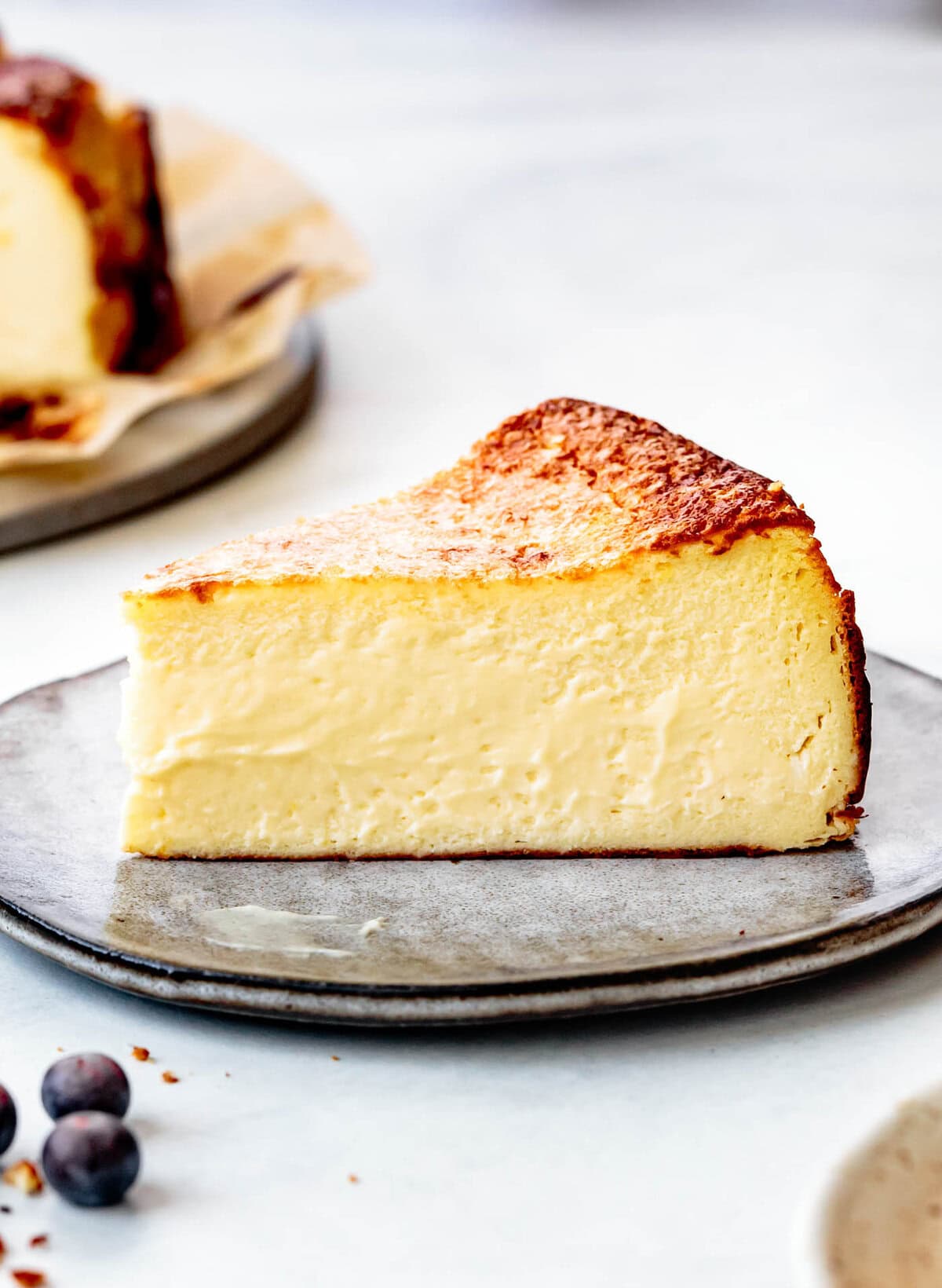
This loaf pan Basque cheesecake is rich but not heavy, creamy yet airy, and has that signature caramelized top that tastes like toasted sugar and cream had a very good day together. It’s the kind of dessert you slice “just a sliver” of… and then return for another sliver that is somehow larger. No judgment here. This cheesecake understands us.
Why You’ll Love This Loaf Pan Basque Cheesecake
This Loaf Pan Basque Cheesecake has all the charm of the classic Spanish favorite, scaled down into a cozy, weeknight-friendly format that still feels bakery-level special.
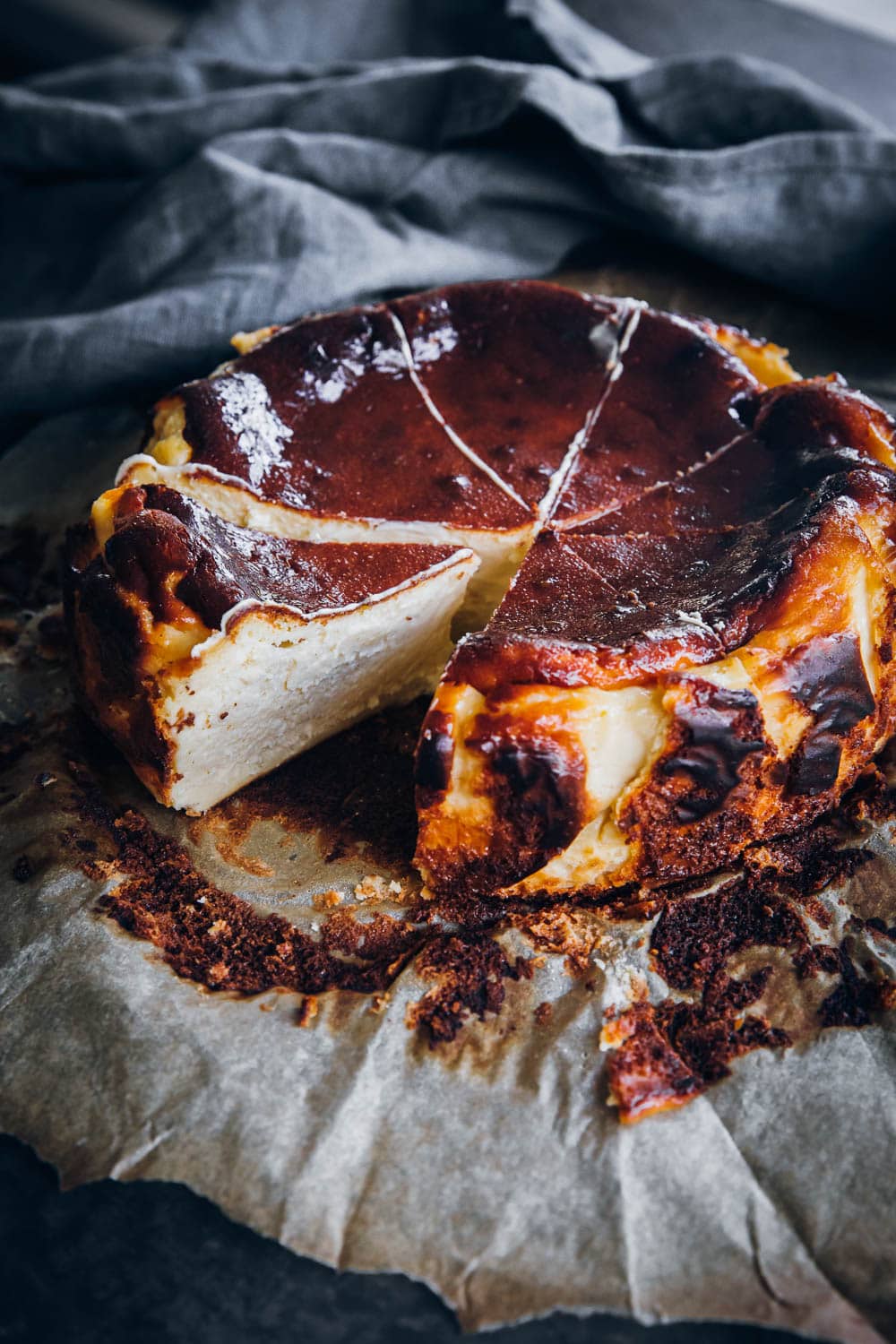
- Perfectly imperfect by design. The deeply golden, almost burnt top isn’t a mistake—it’s the point. That caramelized surface adds a complex bitterness that balances the rich, creamy interior, making every bite taste layered and sophisticated without any extra effort on your part.
- No crust, no water bath, no stress. This recipe skips everything fussy. You line the pan, mix the batter, bake it hot and fast, and let the oven do its thing. The loaf pan format keeps the cheesecake tall and dramatic while remaining incredibly forgiving.
- Small-batch luxury. Baking Basque cheesecake in a loaf pan means fewer leftovers (or at least fewer witnesses). It’s ideal for smaller households, intimate dinners, or when you want a showstopping dessert without committing to a full-size cheesecake.
- Creamy center with a melt-in-your-mouth texture. Thanks to the heavy cream and minimal flour, the interior stays soft, custardy, and just set enough to slice cleanly after chilling, while still feeling luxuriously spoonable.
Ingredients Notes
Before you start, take a moment to appreciate how deceptively simple this ingredient list is. Each component plays a very intentional role in creating the signature texture and flavor of Loaf Pan Basque Cheesecake.
- Cream Cheese — This is the backbone of the recipe, providing richness, structure, and that classic cheesecake tang. Full-fat cream cheese is essential here for the proper texture. Reduced-fat versions tend to bake up grainy and lack the indulgent mouthfeel Basque cheesecake is known for. For best results, let it come fully to room temperature so it blends smoothly without lumps.
- Granulated Sugar — Sugar sweetens the cheesecake and helps create that iconic caramelized top. White granulated sugar works best for clean flavor and predictable browning. You could experiment with superfine sugar for an even silkier batter, but avoid liquid sweeteners, which alter the texture.
- Eggs — Eggs give the cheesecake structure while keeping it creamy rather than dense. Adding them one at a time allows the batter to emulsify properly, preventing curdling and ensuring a smooth, uniform bake.
- Heavy Cream — This ingredient softens the richness of the cream cheese and creates that luscious, custard-like interior. If you substitute with half-and-half, expect a slightly firmer texture. For true Basque-style indulgence, heavy cream is non-negotiable.
- Vanilla Extract — Vanilla adds warmth and rounds out the dairy flavors without overpowering them. Use pure vanilla extract if possible; it makes a noticeable difference in such a minimalist recipe.
- Salt — A small amount of salt balances the sweetness and enhances the caramelized notes on top. It’s subtle but absolutely essential.
- All-Purpose Flour — Just a touch of flour helps stabilize the cheesecake so it slices cleanly while still remaining creamy. Too much flour would make it cake-like, so measure carefully and mix gently.
How To Make Loaf Pan Basque Cheesecake Step-by-Step:
This process is wonderfully straightforward, but each step matters for achieving that signature texture and dramatic finish.
Prepare the Pan: Preheat your oven to 425°F (220°C). Line a 9×5-inch loaf pan with parchment paper, leaving generous overhang on all sides so the cheesecake can be lifted out easily after chilling.
Beat the Cream Cheese: In a mixing bowl, beat the room-temperature cream cheese with the granulated sugar until completely smooth and creamy. Take your time here—this step sets the foundation for a lump-free batter.
Incorporate the Eggs: Add the eggs one at a time, mixing thoroughly after each addition. Scrape down the sides of the bowl to ensure everything is evenly blended and silky.
Add the Cream and Flavoring: Pour in the heavy cream, vanilla extract, and salt. Beat until the mixture is smooth and cohesive, with a pourable consistency.
Mix in the Flour: Sift the all-purpose flour directly into the batter and mix gently just until incorporated. Avoid overmixing, which can introduce excess air and affect the final texture.
Pour and Bake: Transfer the batter to the prepared loaf pan and gently tap it on the counter to release any trapped air bubbles. Bake for 30–40 minutes until the top is deeply golden brown and the center still has a noticeable jiggle. For a firmer texture, bake closer to 45 minutes.
Cool and Chill: Allow the cheesecake to cool in the pan at room temperature for about one hour. Then refrigerate for at least four hours—overnight is ideal—before slicing.
Storage and Reheating
Once fully chilled, Loaf Pan Basque Cheesecake stores beautifully in the refrigerator for up to four days. Keep it tightly wrapped or in an airtight container to prevent it from absorbing fridge odors.
Basque cheesecake is best enjoyed cold or slightly cool, when the texture is creamy and the flavors have fully developed. If you prefer it closer to room temperature, simply let a slice sit out for 10–15 minutes before serving. Reheating is not recommended, as it can compromise the delicate custard-like interior.
Variations & Substitutions
This loaf pan Basque cheesecake is a dream canvas for subtle customization while still honoring its minimalist roots.
- Citrus-Infused Version: Add finely grated lemon or orange zest to the batter for a bright, aromatic twist that cuts through the richness beautifully.
- Chocolate Basque Cheesecake: Whisk a small amount of melted dark chocolate into the batter for a deeper, more decadent flavor profile without overwhelming the cheesecake.
- Dairy Adjustments: While full-fat dairy yields the best texture, lactose-free cream cheese and cream can be used successfully for dietary needs, though the flavor may be slightly milder.
Loaf Pan Basque Cheesecake
Ingredients
- 12 oz 340 g cream cheese, room temperature
- ½ cup granulated sugar
- 2 large eggs
- 1 cup heavy cream
- 1 teaspoon vanilla extract
- ¼ teaspoon salt
- 1 tablespoon all-purpose flour
Instructions
- Prepare the Baking Pan — Preheat the oven to 425°F (220°C). Line a 9×5-inch loaf pan with parchment paper, allowing excess paper to overhang the sides.
- Cream the Base — In a mixing bowl, beat the cream cheese and granulated sugar until smooth and fully combined.
- Add the Eggs — Incorporate the eggs one at a time, mixing thoroughly after each addition and scraping down the bowl as needed.
- Incorporate Liquid Ingredients — Add the heavy cream, vanilla extract, and salt, mixing until the batter is smooth and cohesive.
- Blend in the Flour — Sift in the flour and mix gently just until incorporated, avoiding overmixing.
- Bake the Cheesecake — Pour the batter into the prepared pan, tap gently to release air bubbles, and bake for 30–40 minutes until the top is deeply golden and the center remains slightly jiggly.
- Cool and Chill — Allow the cheesecake to cool at room temperature for one hour, then refrigerate for at least four hours or overnight before slicing and serving.