Creamy Shrimp Linguine: A Restaurant-Quality Meal at Home
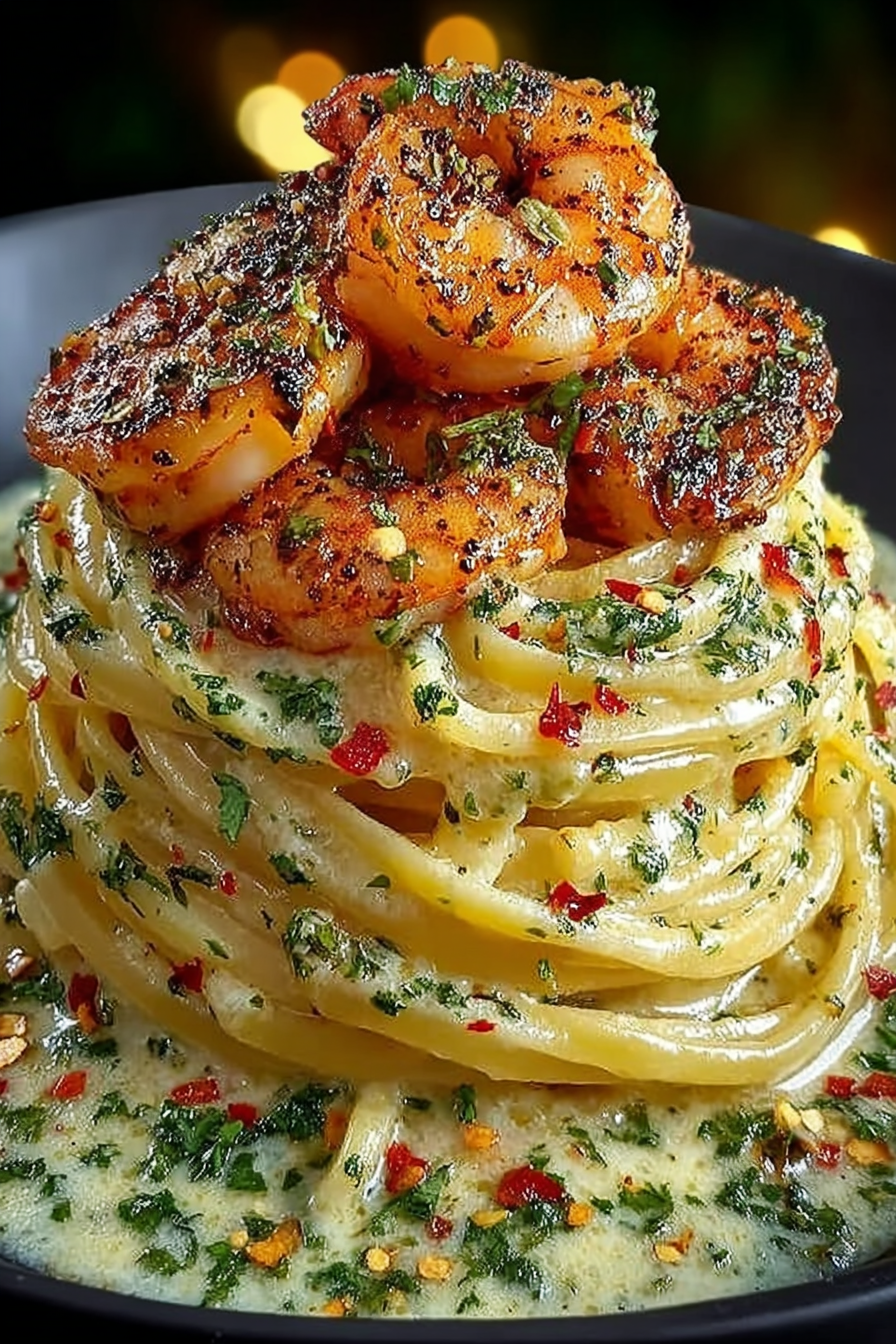
Linguine pasta, shrimp, garlic, heavy cream, Parmesan cheese, butter, olive oil, lemon, parsley.
Creamy Shrimp Linguine: A Restaurant-Quality Meal at Home
There’s something quietly magical about recreating a restaurant dish at home—especially one that usually arrives at the table with white linens, candlelight, and a price tag that makes you hesitate just a second too long. This Creamy Shrimp Linguine was born on one of those evenings when I wanted comfort food, elegance, and speed all at once. You know the kind of night—when you’re craving something indulgent, but the thought of reservations, parking, and waiting forty minutes for a table feels like too much work. So instead, I tied on an apron, poured a glass of something cold, and decided to bring the restaurant vibe straight into my own kitchen.
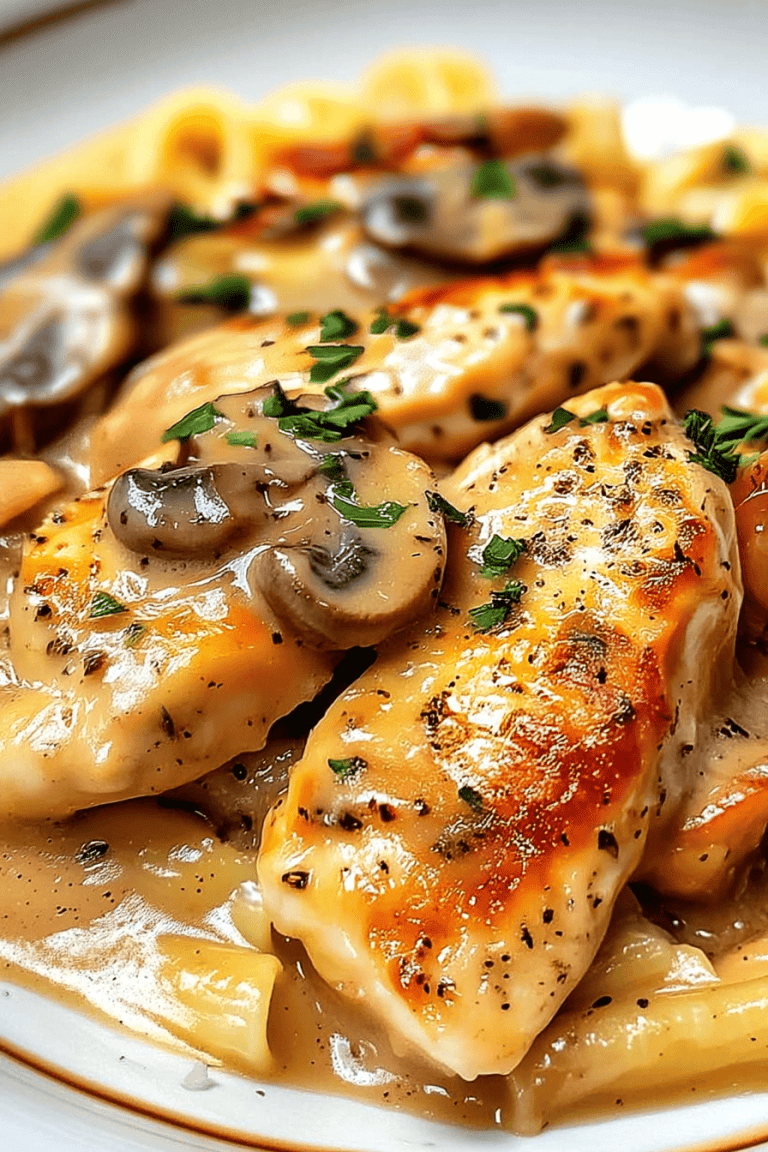
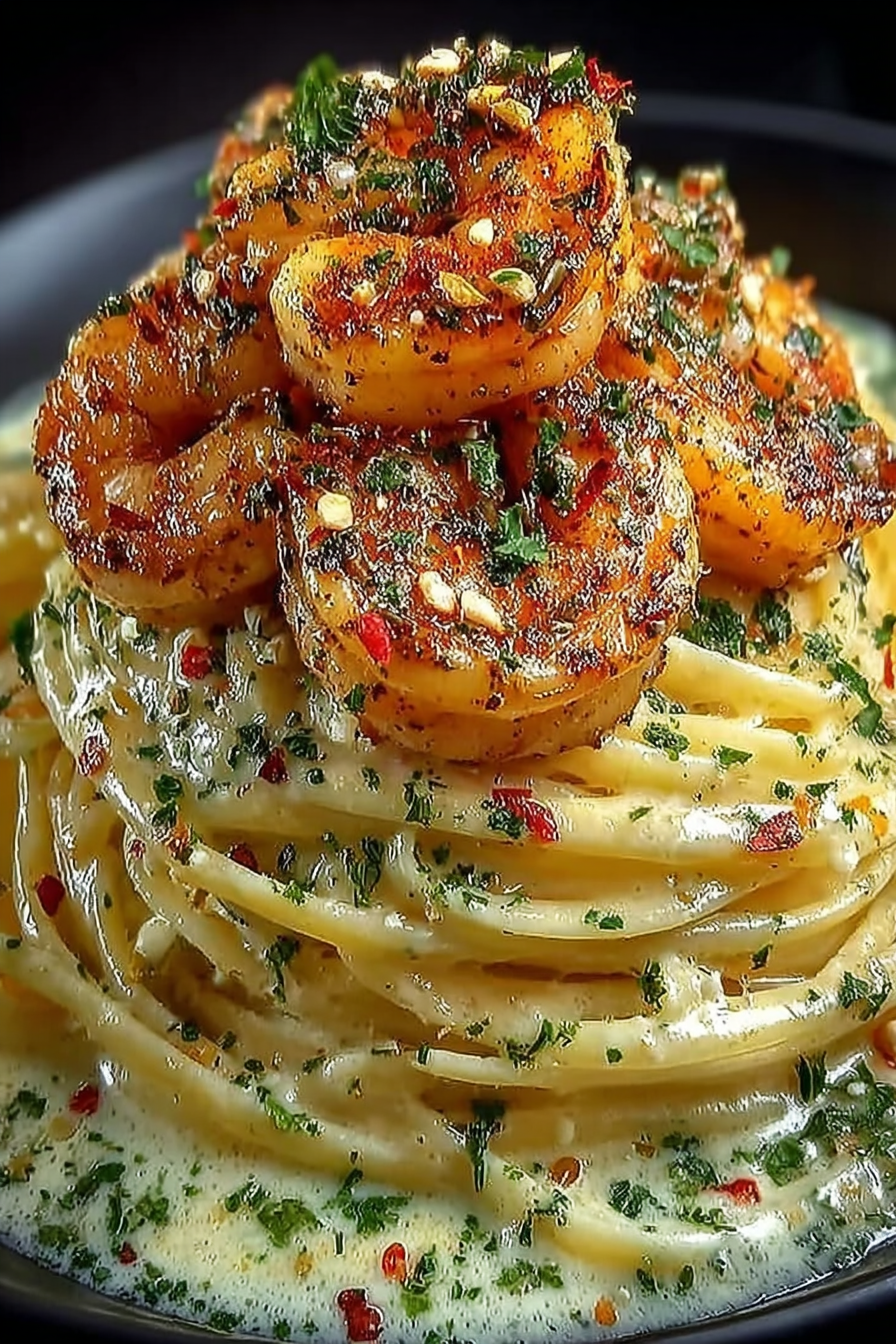
What I love most about this creamy shrimp linguine recipe is how effortlessly impressive it feels. The sauce is luxuriously smooth without being heavy, the shrimp are tender and juicy, and that little hit of lemon at the end wakes everything up like a well-timed punchline. It’s the kind of meal that makes people think you’ve been quietly taking culinary classes on the side—even though the whole thing comes together in about thirty minutes. And yes, I’ve absolutely served this to guests while pretending it took way more effort than it actually did. Some secrets are meant to stay between you and your skillet.
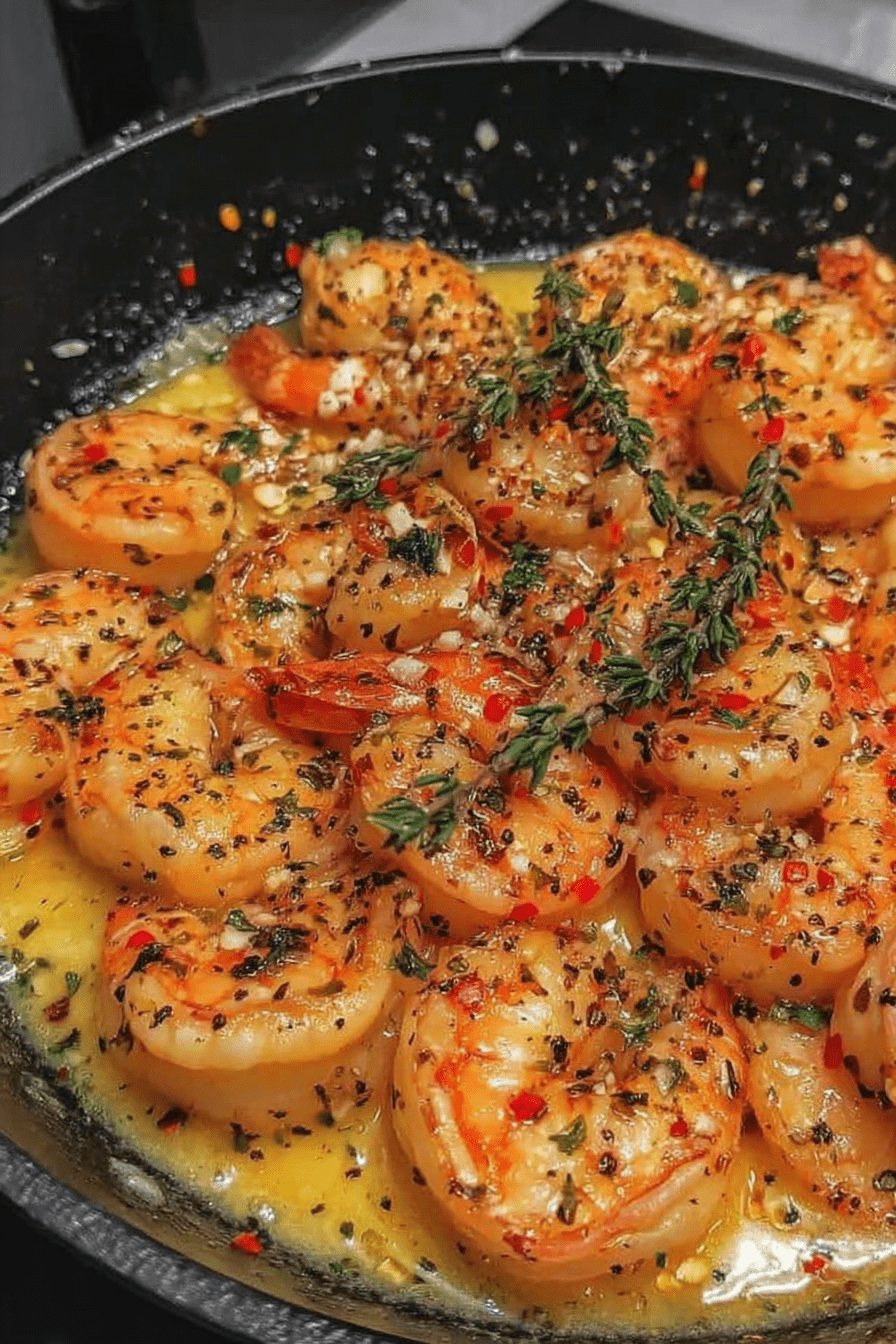
Why You’ll Love This Creamy Shrimp Linguine
This creamy shrimp linguine isn’t just dinner—it’s an experience, and one that happens to fit beautifully into real life. From weeknight cooking to last-minute entertaining, it checks all the right boxes without asking too much in return.
- It tastes like a high-end restaurant dish without the stress. The combination of butter, olive oil, garlic, cream, and Parmesan creates a sauce that feels deeply luxurious, yet the method stays refreshingly simple. There’s no fussy technique, no hard-to-find ingredients—just classic flavors coming together exactly the way they should.
- It’s fast, but never feels rushed. Thirty minutes is all it takes from start to finish, but nothing about this creamy shrimp linguine feels hurried or thrown together. Each step builds flavor naturally, giving you a final dish that tastes slow-cooked and thoughtfully layered.
- The balance of richness and freshness is spot on. Creamy sauces can sometimes feel overwhelming, but the lemon juice and zest cut through the richness beautifully. That brightness keeps every bite interesting and prevents the dish from feeling heavy.
- It’s endlessly versatile and forgiving. Whether you’re cooking for picky eaters, seafood lovers, or someone who “just wants a little pasta,” this recipe adapts easily. You can tweak spice levels, swap ingredients, or dress it up with extra garnishes without losing its soul.
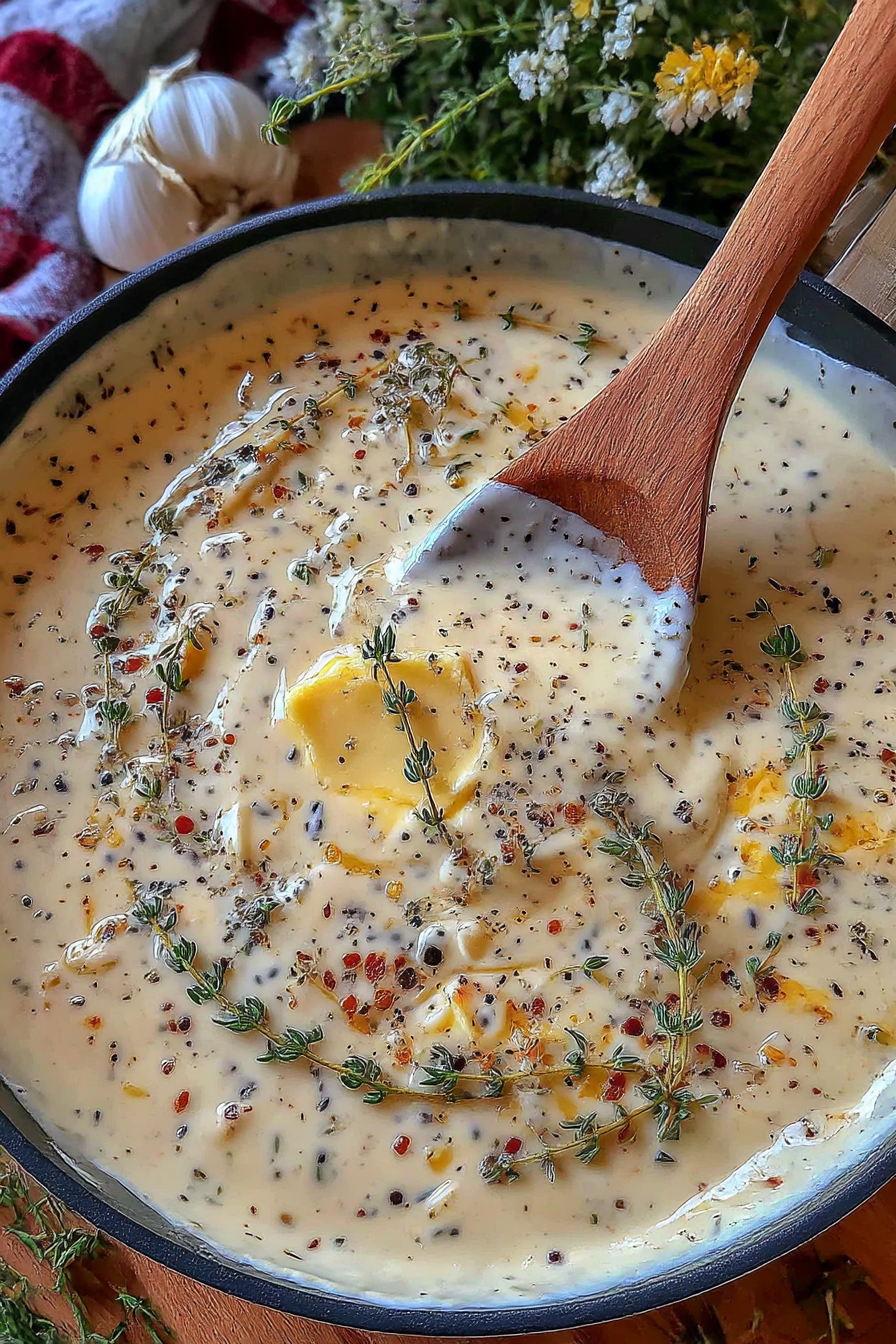
Ingredients Notes
The beauty of this creamy shrimp linguine lies in how each ingredient pulls its weight. Nothing is here by accident, and each one plays a role in creating that restaurant-quality finish.
- Linguine Pasta: Linguine is the perfect choice because its flat shape holds onto the creamy sauce beautifully, ensuring every bite is coated. If you don’t have linguine, fettuccine works wonderfully, and even spaghetti can step in if needed. Chef’s tip: cook the pasta just to al dente—overcooked pasta will soak up too much sauce and lose that silky finish.
- Large Shrimp: Shrimp are the star of this dish, providing sweetness and a tender bite that pairs perfectly with the cream sauce. Large shrimp are ideal, but medium shrimp work just as well. If using frozen shrimp, thaw them completely and pat them dry so they sear properly instead of steaming.
- Garlic: Fresh minced garlic builds the flavor base and adds warmth without overpowering the dish. If you’re in a pinch, garlic paste can work, but fresh cloves deliver the best aroma and depth. Chef’s tip: sauté gently—burnt garlic will turn bitter fast.
- Heavy Cream: This is what gives the sauce its lush, velvety texture. Half-and-half can be used for a lighter version, but the sauce won’t be quite as rich. Avoid milk—it won’t thicken properly and can separate.
- Parmesan Cheese: Parmesan adds saltiness, umami, and body to the sauce. Freshly grated is non-negotiable here; pre-shredded cheese doesn’t melt smoothly and can leave the sauce grainy.
- Butter & Olive Oil: Using both gives you flavor and stability. Butter brings richness, while olive oil keeps it from burning. It’s a small detail that makes a big difference.
- Lemon Juice & Zest: Lemon lifts the entire dish, balancing the cream and highlighting the shrimp. Always zest before juicing, and add both gradually so you can control the brightness.
- Fresh Parsley: Parsley adds color and a subtle freshness that keeps the dish from feeling too heavy. Basil can be used for a slightly different—but still delicious—finish.
- Red Pepper Flakes (Optional): A small pinch adds gentle heat and depth without making the dish spicy. Totally optional, but highly recommended if you like a little warmth.
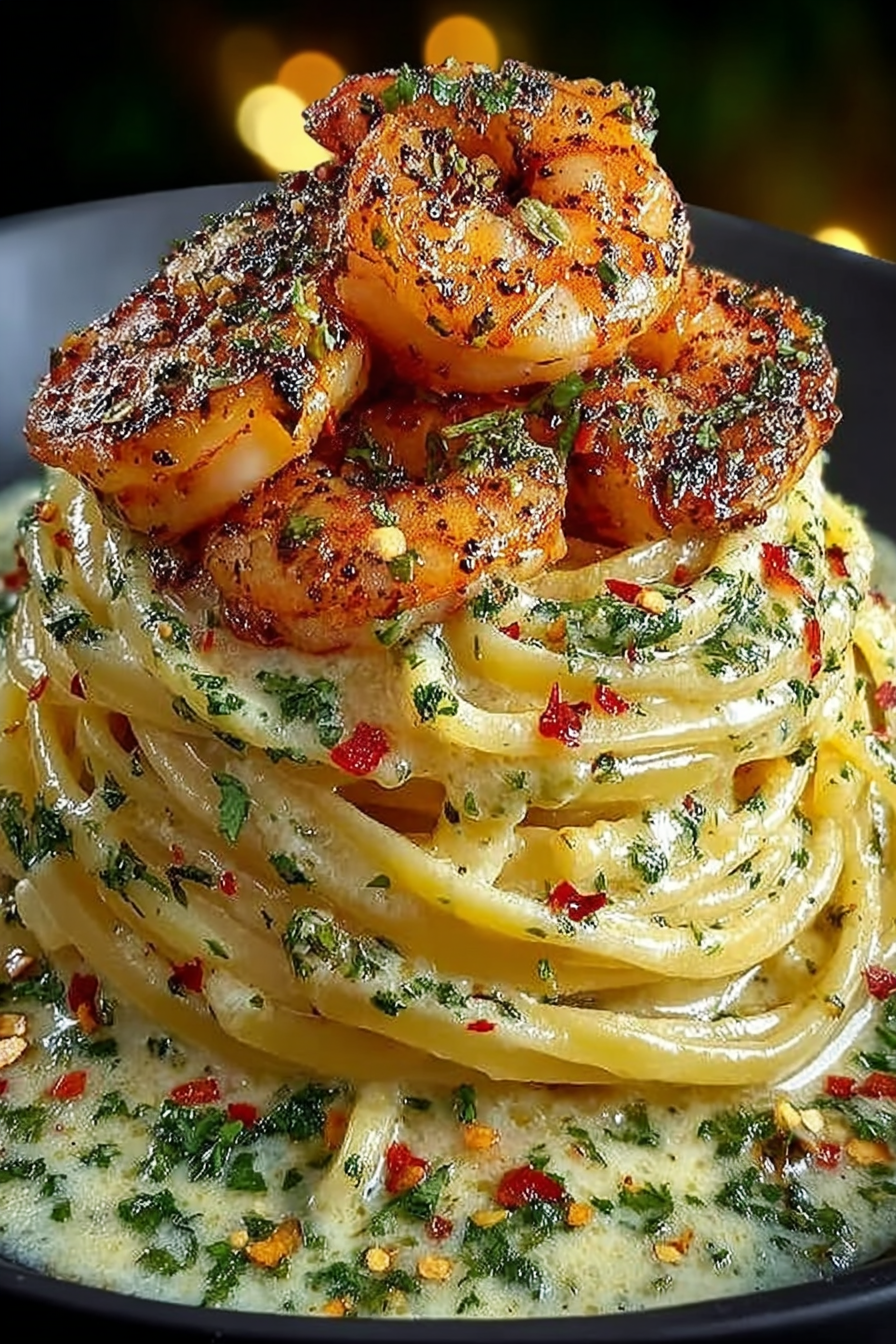
How To Make Creamy Shrimp Linguine Step-by-Step:
This process flows easily once you start, and everything comes together right in the skillet for maximum flavor and minimal cleanup.
Cook the Linguine: Bring a large pot of generously salted water to a rolling boil and cook the linguine according to package directions until perfectly al dente. Before draining, reserve half a cup of the starchy pasta water—this will help loosen and emulsify the sauce later if needed.
Sauté the Shrimp: Heat the olive oil and butter together in a large skillet over medium heat until melted and gently bubbling. Add the shrimp in a single layer, seasoning them with salt and black pepper. Cook for two to three minutes per side until pink, opaque, and lightly golden. Remove the shrimp from the skillet and set aside to prevent overcooking.
Build the Flavor Base: In the same skillet, add the minced garlic and red pepper flakes if using. Sauté briefly—about one minute—just until fragrant. Keep the heat moderate so the garlic softens without browning.
Create the Cream Sauce: Pour the heavy cream into the skillet and bring it to a gentle simmer. Stir occasionally, allowing the cream to warm and thicken slightly before adding the cheese.
Melt in the Cheese: Gradually stir in the grated Parmesan cheese, allowing it to melt smoothly into the sauce. The mixture should become rich, creamy, and cohesive.
Brighten and Combine: Add the lemon juice and zest, then return the cooked shrimp to the skillet. Toss gently so the shrimp are fully coated in the sauce.
Finish with Pasta: Add the drained linguine directly into the skillet, tossing it thoroughly with the sauce. If the sauce feels too thick, add a splash of the reserved pasta water until the consistency is silky and glossy.
Garnish and Serve: Stir in the fresh parsley, taste, and adjust seasoning as needed. Serve immediately while the sauce is at its best.
Storage and Reheating
Creamy shrimp linguine is best enjoyed fresh, but leftovers can absolutely be saved with a little care. Store cooled pasta in an airtight container in the refrigerator for up to two days. Because cream sauces naturally thicken when chilled, reheating gently is key.
When reheating, use a skillet over low heat rather than the microwave if possible. Add a small splash of cream, milk, or even water to loosen the sauce, stirring frequently until warmed through. Avoid high heat—it can cause the sauce to separate and the shrimp to turn rubbery. If using the microwave, reheat in short intervals, stirring between each round to maintain a smooth texture.
Variations & Substitutions
This creamy shrimp linguine recipe is wonderfully adaptable, making it easy to customize based on what you have or what you’re craving.
- Add vegetables for extra depth. Sautéed spinach, mushrooms, or cherry tomatoes slide beautifully into the sauce and add both color and texture without overpowering the dish.
- Swap the protein. Scallops, salmon chunks, or even grilled chicken work well with the same creamy base, giving you multiple meals from one reliable method.
- Lighten it up slightly. Use half-and-half instead of heavy cream and reduce the Parmesan just a touch for a lighter—but still satisfying—version.
- Turn up the heat. Increase the red pepper flakes or add a pinch of cayenne if you love bold, spicy flavors that contrast with the creamy sauce.
Creamy Shrimp Linguine: A Restaurant-Quality Meal at Home
Ingredients
- 1 lb linguine pasta
- 1 lb large shrimp peeled and deveined
- 3 cloves garlic minced
- 1 cup heavy cream
- 1/2 cup grated Parmesan cheese
- 2 tablespoons butter
- 1 tablespoon olive oil
- 1/4 cup fresh parsley chopped
- 1 lemon juiced and zested
- Salt and black pepper to taste
- 1/4 teaspoon red pepper flakes optional
Instructions
- Prepare the Pasta: Bring a large pot of salted water to a boil and cook the linguine according to package instructions until al dente. Reserve 1/2 cup of pasta water, then drain.
- Cook the Shrimp: Heat olive oil and butter in a large skillet over medium heat. Add shrimp, season with salt and pepper, and cook for 2–3 minutes per side until opaque. Remove and set aside.
- Sauté the Aromatics: In the same skillet, add garlic and red pepper flakes. Sauté briefly until fragrant.
- Prepare the Sauce: Pour in heavy cream and bring to a gentle simmer. Stir in Parmesan cheese until melted and smooth.
- Combine and Finish: Add lemon juice and zest, return shrimp to the skillet, and toss to coat. Add linguine and reserved pasta water as needed to reach desired consistency. Stir in parsley and serve immediately.
Notes
- Don’t overcook the shrimp. Shrimp cook incredibly fast, and once they pass that sweet spot, they turn rubbery almost instantly. As soon as they’re pink, opaque, and gently curled, pull them from the pan. They’ll finish warming through later when returned to the sauce, which keeps them juicy and tender.
- Salt your pasta water generously. This is your only real chance to season the pasta itself. The water should taste like the sea, which ensures the linguine has flavor from the inside out and doesn’t rely solely on the sauce for seasoning.
- Reserve the pasta water—seriously. That starchy water is liquid gold. A splash or two helps loosen the sauce, improves texture, and creates that silky, glossy finish you usually only see in restaurants. Add it gradually so the sauce stays creamy, not watery.
- Use freshly grated Parmesan. Pre-grated cheese often contains anti-caking agents that prevent it from melting smoothly, which can leave the sauce grainy. Freshly grated Parmesan melts seamlessly into the cream, giving you a smooth, luxurious sauce with better flavor.
- Keep the heat gentle once the cream is added. High heat can cause cream-based sauces to separate or break. A gentle simmer is all you need to thicken the sauce while keeping it velvety and cohesive.
- Add lemon gradually and taste as you go. Lemon is essential here—it cuts through the richness and brightens everything—but too much can overpower the sauce. Start with a little juice and zest, then adjust until the balance feels just right.
- Serve immediately for best texture. Creamy shrimp linguine is at its peak right off the stove, when the sauce is silky and the pasta perfectly coated. Letting it sit too long can cause the sauce to thicken more than intended.